
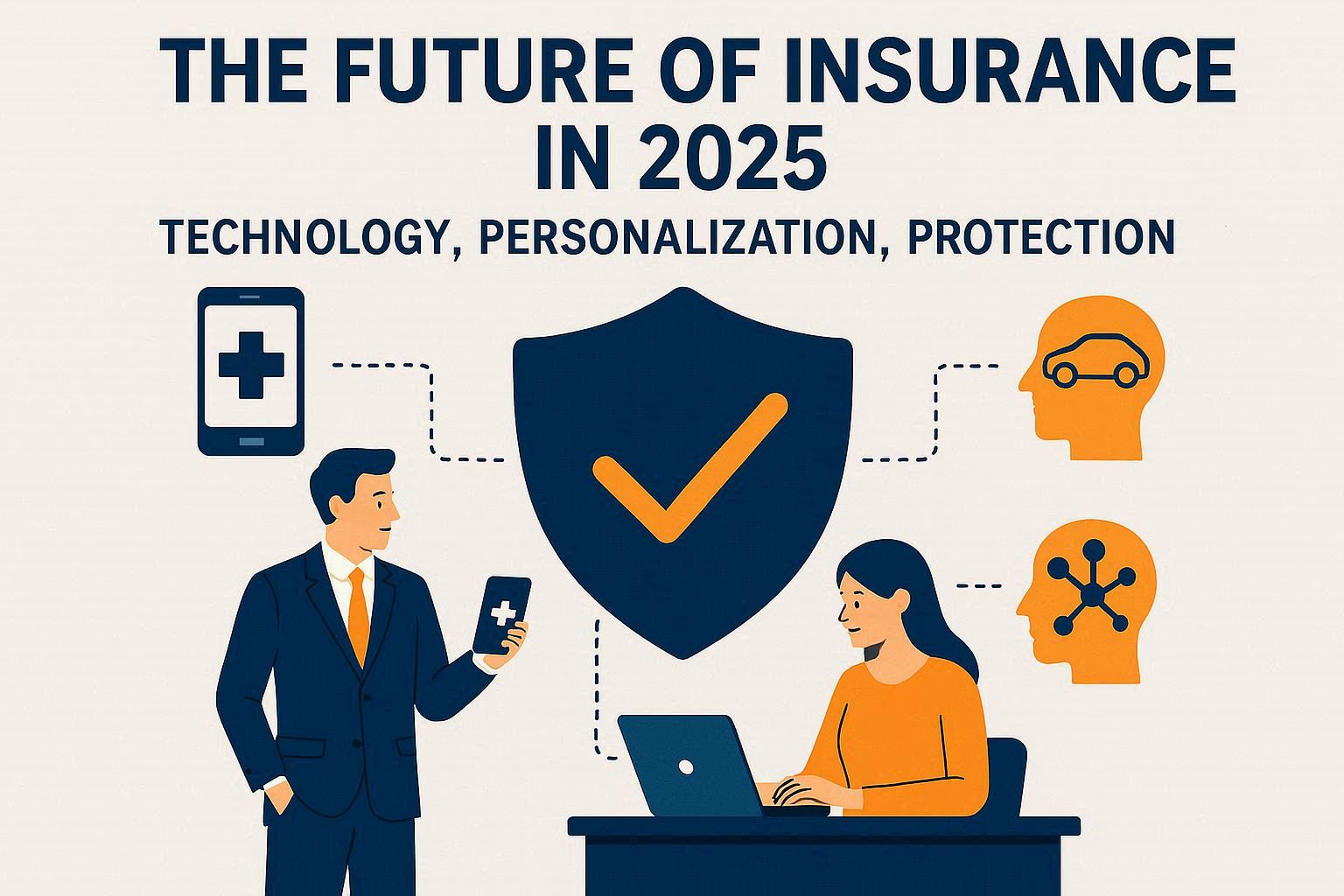
The insurance industry is entering a new era of innovation and transformation. In 2025, digital technologies, artificial intelligence (AI), and changing consumer expectations are redefining how insurance products are designed, sold, and managed. What was once a slow, paper-heavy industry is now becoming agile, data-driven, and customer-centric.
This article explores how technology and innovation are shaping the future of insurance in 2025, the trends driving change, and what both insurers and policyholders can expect in the years ahead.
1. The Digital Revolution in Insurance
Digital transformation is at the heart of the modern insurance industry. Insurers are adopting cloud computing, automation, and data analytics to improve efficiency and reduce operational costs. Customers now expect digital convenience — from buying a policy online in minutes to filing claims through mobile apps.
In 2025, most major insurance companies have implemented end-to-end digital workflows. Chatbots handle customer inquiries 24/7, AI underwrites risk faster than ever, and blockchain ensures transparent, secure transactions. The result: a faster, fairer, and more user-friendly insurance experience.
2. Artificial Intelligence and Predictive Analytics
AI is revolutionizing every part of the insurance process. Advanced algorithms analyze massive amounts of data — including driving habits, health records, and lifestyle information — to assess risk more accurately and offer personalized pricing. Predictive analytics helps insurers anticipate claims before they occur, reducing fraud and improving profitability.
For example, health insurers use wearable data to reward healthy lifestyles, while auto insurers monitor telematics data to offer “pay-as-you-drive” policies. These innovations make insurance more fair and customized, aligning premiums with real-world behavior instead of broad risk categories.
3. Personalized and On-Demand Coverage
Modern consumers want flexibility and transparency. The rise of on-demand insurance — short-term, pay-per-use coverage — is meeting this demand. Travelers can insure a single trip, drivers can activate coverage only when they’re behind the wheel, and freelancers can get temporary business liability insurance for a specific project.
In 2025, personalization has gone even further. AI-driven platforms automatically recommend coverage based on an individual’s lifestyle, financial goals, and real-time data. This shift transforms insurance from a reactive service into a proactive partner that protects people based on how they actually live.
4. The Role of Big Data in Risk Assessment
Data is the new currency of the insurance world. With the rise of connected devices, insurers now have access to unprecedented amounts of real-time information. This data enables more accurate risk models and faster claims processing.
For example, IoT sensors in homes detect water leaks or fire hazards before major damage occurs, allowing insurers to prevent claims rather than just pay for them. Similarly, data from fitness trackers helps health insurers design wellness-based plans that reduce costs for both the company and the consumer.
5. Blockchain and Smart Contracts
Blockchain technology is revolutionizing transparency and trust in insurance. In 2025, many insurers use blockchain to store customer data securely and process claims automatically through smart contracts. These digital agreements execute payouts instantly once predefined conditions are met — for example, paying travel insurance claims automatically if a flight is canceled.
This reduces fraud, speeds up processing times, and builds greater trust between insurers and policyholders.
6. Sustainability and Ethical Insurance
As climate change intensifies, sustainability has become a top priority for insurers. Companies are developing products that encourage green behavior, such as discounts for electric vehicles or energy-efficient homes. Some insurers are also divesting from fossil fuels and investing in renewable energy projects.
Ethical insurance — offering fair, transparent, and socially responsible coverage — is gaining momentum. In 2025, many policyholders choose insurers that align with their environmental and ethical values, creating a new competitive edge for purpose-driven brands.
7. Cyber Insurance: Protecting the Digital World
As businesses and individuals become more dependent on digital systems, cyber risk is one of the fastest-growing threats. Cyber insurance is expanding rapidly to protect against data breaches, ransomware attacks, and identity theft.
In 2025, even small businesses and freelancers rely on cyber insurance as digital threats evolve. Insurers use AI to assess vulnerabilities, predict potential breaches, and offer tailored protection plans. Cyber insurance is now considered as essential as auto or home insurance for digital-era security.
8. Health and Life Insurance Reinvented
Health and life insurance are becoming more personalized, preventive, and data-driven. Insurers collaborate with health tech companies to integrate wearable devices, genetic testing, and telemedicine into their services. Customers receive real-time health insights, and healthy habits are rewarded with lower premiums.
In 2025, life insurance underwriting is faster and more accurate thanks to AI. Instead of long questionnaires, applicants share digital health records and biometric data. This shift makes life insurance more accessible and reduces the gap in global coverage.
9. The Customer Experience Revolution
In today’s competitive market, customer experience is a key differentiator. Digital-first insurers offer seamless onboarding, instant quotes, and transparent communication. Personalized dashboards allow customers to track policies, payments, and claims effortlessly.
Insurance in 2025 is no longer viewed as a bureaucratic burden but as an essential, easy-to-manage service that enhances everyday life. Companies that prioritize user experience and transparency build stronger customer trust and loyalty.
10. Challenges Facing the Insurance Industry
Despite progress, insurers still face major challenges. Regulatory complexity, cybersecurity risks, and data privacy remain top concerns. Additionally, integrating legacy systems with new technologies can slow innovation. Competition from insurtech startups — agile, digital-first players — pressures traditional insurers to adapt quickly or risk losing market share.
Another challenge is ensuring inclusivity. While digital tools improve access, they can also leave behind people without internet access or digital literacy. Successful insurers will balance innovation with accessibility for all demographics.
11. The Future Outlook
By 2030, the insurance landscape will be radically transformed. Fully automated claims, real-time risk monitoring, and AI-powered customer service will become the norm. Insurers will operate more like technology companies — flexible, data-centric, and consumer-focused.
The winners in this new era will be those who combine cutting-edge technology with human empathy. The future of insurance lies in building trust through transparency, personalization, and proactive protection.
Conclusion
The insurance industry in 2025 stands at a crossroads of innovation and opportunity. With the integration of AI, blockchain, and big data, insurers are moving beyond traditional models to create smarter, fairer, and more customer-centered services. Consumers benefit from faster claims, customized premiums, and preventive protection that fits their lifestyle.
In the years ahead, success in insurance will depend on balancing digital efficiency with human connection. The companies that master this balance will lead the industry into a future where protection is not just about compensation — but about empowerment, trust, and lasting security.